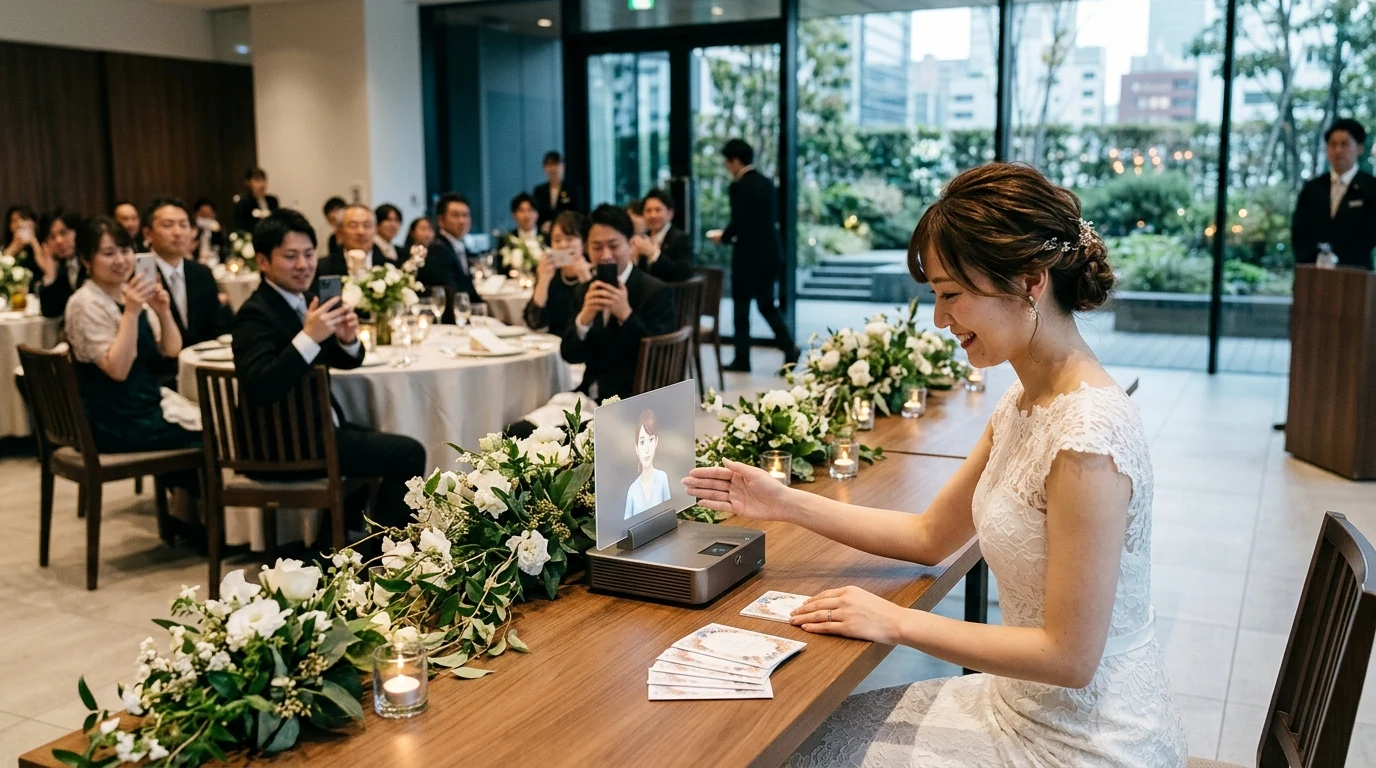
Yes—but “married” describes a personal wedding ceremony, not a legally recognized marriage. Reports about a Japanese woman’s ceremony with an AI-generated partner describe a relationship with a digital persona she interacted with through a chatbot. The ceremony was meaningful to her, but it did not make the AI a legal spouse.
The partner was a character created and shaped through conversation with an AI tool. A person can form an emotional attachment to a chatbot and choose to mark that relationship with a ceremony. That experience can be real for the person, even though the AI itself is software and does not have human feelings, legal personhood, or the ability to enter a marriage contract.
No. The AI-chatbot story is sometimes mixed up with the widely reported 2018 ceremony involving Japanese man Akihiko Kondo and virtual singer Hatsune Miku. Miku is a fictional character, not an AI spouse. Kondo’s ceremony was also symbolic rather than a legally recognized marriage.
No. A ceremony or personal commitment does not give an AI legal status as a spouse. Marriage laws apply to people, so an AI program cannot take on the legal rights and responsibilities of a married partner.
It’s a vivid reminder that AI can feel personal because it responds in human-like language. But conversational fluency is not proof of consciousness, expertise, or independent judgment. If you use AI for brainstorming, planning, or work, treat its output as a tool to review—not as a person or an authority.
That distinction is useful when you’re exploring a business idea, too. AI can help you generate possibilities, but you still need to assess whether real customers want the offer and whether the numbers make sense. Our AI side-hustle idea checklist can help you choose and validate an idea before investing time or money.
Yes. AI can support tasks like brainstorming, drafting, and organizing, but it cannot guarantee demand or profit. Validate your idea with potential customers and review AI-generated work before using it.













Leave a comment