
Living on a budget doesn’t have to feel restrictive. With a simple system—clear spending priorities, a realistic plan for fixed and flexible costs, and a repeatable weekly check-in—it becomes easier to cover essentials, reduce stress, and build savings. A digital budgeting guide can also keep everything organized in one place, so budgeting feels less like “math homework” and more like a quick decision tool.
A workable budget isn’t about spending nothing—it’s about spending on purpose. Day to day, budgeting success usually shows up as bills paid on time, steady progress toward savings, fewer surprise charges, and enough breathing room for a couple of small joys.
Before setting goals, get a clear picture of what’s coming in, what must go out, and where the flexible spending tends to drift. Focus on clarity and speed, not accuracy down to the penny.
| Category | What to capture | Where to find it |
|---|---|---|
| Income | Net pay and paydays | Pay stubs, bank deposits |
| Fixed bills | Monthly total and due dates | Billing portals, statements |
| Flexible spending | Typical weekly/monthly ranges | Bank/credit card history |
| Irregular costs | Annual/quarterly items and timing | Calendar, past receipts |
The best budget is the one you’ll actually use when life gets busy. Choose a framework that stays simple:
Start by funding essentials first—housing, food, transportation, utilities, basic insurance, and minimum debt payments. Then add savings as if it were a bill: even a small automatic transfer builds momentum. Include a “miscellaneous” buffer to absorb price changes and one-off expenses, and plan for fun on purpose to reduce burnout spending.
For reliable food-cost benchmarks, the USDA’s monthly food cost plans can help you sanity-check your grocery target against household size.
Cutting costs works best when it’s routine-based, not willpower-based. Aim for small defaults that remove decision fatigue.
For more practical budgeting tools and consumer-friendly resources, the Consumer Financial Protection Bureau (CFPB) budgeting resources are a solid starting point.
Sinking funds turn predictable “surprises” into planned expenses. Instead of swiping a credit card for car repairs or holiday gifts, you set aside a small amount each pay period.
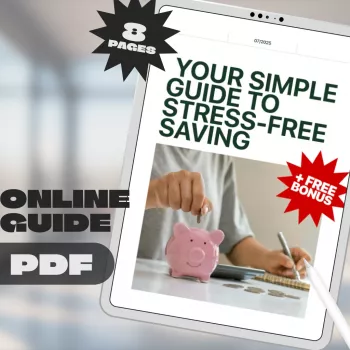
Thrive on a Dime: Your Ultimate Guide to Living on a Budget and Saving Money (Digital Budgeting Guide eBook) provides a ready-to-use framework with step-by-step structure to plan spending, build savings, and stay consistent.
Money stress often spills into family life. If building confidence and calmer routines is part of your bigger “stability plan,” consider Raising Confident Teens: A Parent’s Guide to Nurturing Self-Esteem (Digital Download) as a supportive companion for strengthening communication and resilience.
A simple category plan or a zero-based approach tends to work best. Start by funding essentials, add a small buffer, and do a weekly check-in so the plan stays realistic as life changes.
Start small—even a few dollars per paycheck—and automate it so it happens consistently. Once bills are stable and fees are under control, increase your savings and build a starter emergency fund plus a few sinking funds.
Use fewer categories and track only the biggest flexible areas first (food, transportation, personal). Set weekly caps and use a template or digital guide so tracking takes minutes, not hours.












Leave a comment